
 See all news
 How to reach us
70 Bolduc Street, Gaspé, Quebec
Canada G4X 1G2
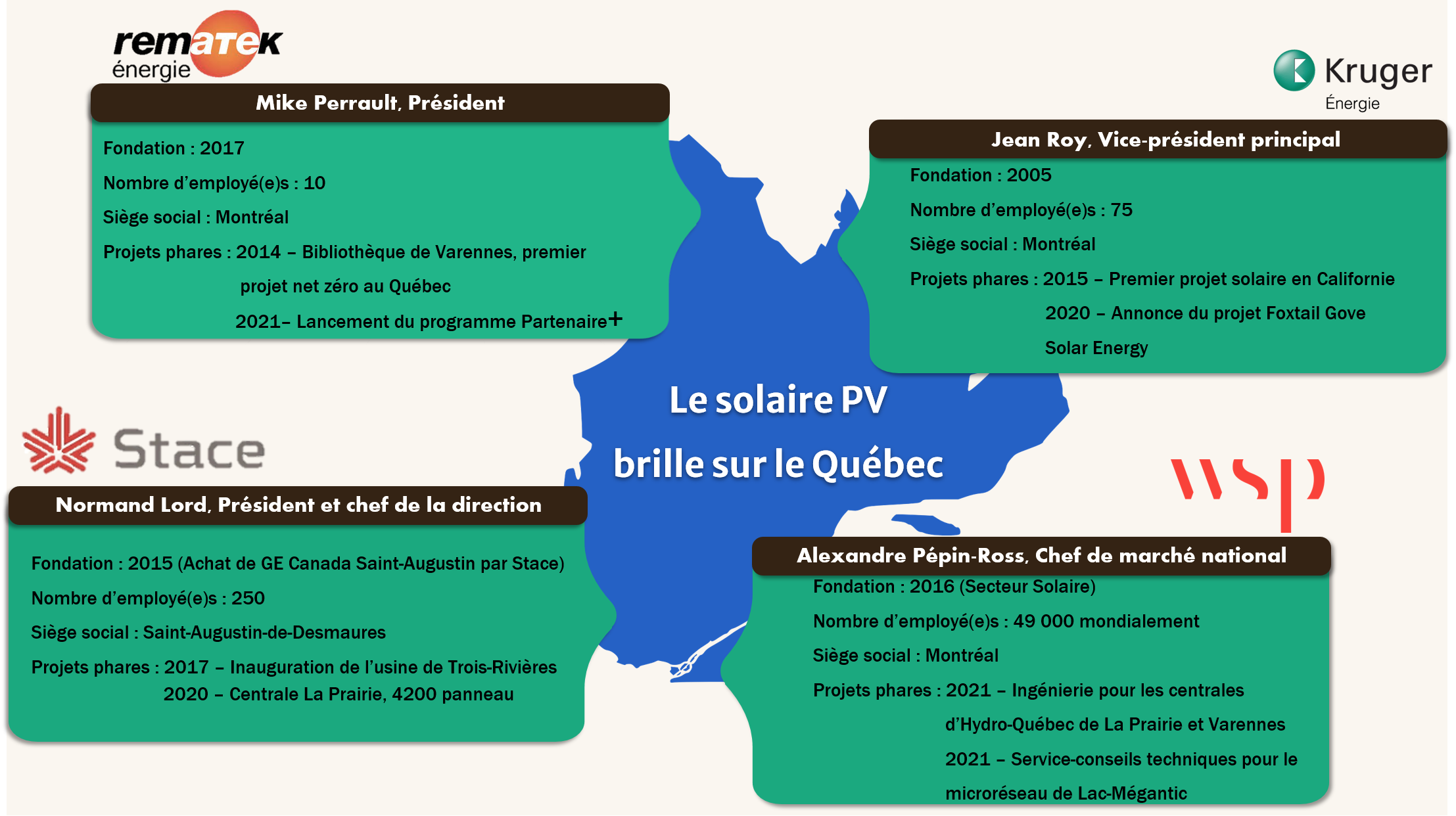
The conclusion of the study published by Nergica in May 2021 is clear: Quebec has significant solar potential that is currently underutilized. Several companies based in Quebec have been active in the solar energy sector for years. We reached out to representatives from four of them to learn more about the solar industry in Quebec and their vision for its future development in the coming years.
Interviews with Jean Roy, Senior Vice President of Kruger Énergie; Mike Perrault, President of Rematek-Énergie; Normand Lord, President and CEO of STACE; and Alexandre Pépin-Ross, until very recently National Solar Market Leader at WSP and a member of the board of directors of the Quebec Renewable Energy Production Association (AQPER). We discussed the growth of the photovoltaic (PV) sector in Quebec and the few obstacles limiting the development of the solar industry.
Being Based in Quebec: The Pros and Cons
Access to engineering expertise, a skilled workforce, and low-cost green electricity makes Quebec a prime location for solar energy developers. These advantages make it possible to offer engineering services at competitive prices and to achieve an attractive carbon footprint. Furthermore, Quebec is emerging as a dynamic and attractive hub for PV research and development, thanks to the many key players based in the region and the flagship projects being carried out there.
According to Alexandre Pépin-Ross, “the excitement in the business world surrounding renewable energy and the synergy among partners are truly unique.” Mr. Pépin-Ross specifically cites AQPER and the Quebec Electrical Industry Association (AIEQ) as incubators for collaboration. College and university research on solar energy—conducted at the Cégep de la Gaspésie et des Îles by Nergica and at the University of Sherbrooke, among others—also creates numerous opportunities for technological innovation and enables organizations to recruit qualified personnel.
 However, according to Jean Roy of Kruger Énergie, the lack of competition at Hydro-Québec and the current rate structure do not promote the adoption of renewable energy; in fact, they act as barriers to innovation. Mr. Pépin-Ross adds that the current energy landscape in Quebec is unfavorable to the deployment of solar and wind power, which explains why the majority of WSP’s projects are carried out outside the province.
The existing legal framework in Quebec also poses an obstacle to the growth of the PV sector. “The current legal framework does not yet allow solar energy to reach its full potential. Nevertheless, we are convinced that Quebec is a promising place for this energy source and for the development of new technologies. “We Quebecers are pioneers in technological innovation in the field of electricity,” says Normand Lord, President and CEO of STACE.
For Mike Perrault of Rématek-Énergie, being based in Quebec is a win-win situation on all fronts. With Hydro-Québec’s energy surplus set to end in 2026 and the potential to meet demand during peak periods, solar power could play a major role in Quebec’s energy mix. Proficiency in French is also a key selling point for Rématek-Énergie, for whom the African market is opening its doors.
A Bright Future for Solar PV in Quebec?
The industry executives interviewed are convinced that, with growing energy demand, the expansion of solar PV will accelerate in Quebec. However, this may still take some time, given the electricity surpluses, installation costs, the current legal framework, and current government investments.
“The costs of producing solar PV energy have fallen significantly since 2010 et 2020, making it a competitive energy source and all the more attractive for Quebec. By 2030, the cost of solar energy will be comparable to—if not lower than—that of other renewable energy sources available in Quebec. As early as 2018, the cost of energy from certain residential solar PV installations reached grid parity with Hydro-Québec’s electricity rate,” says Karim Belmokhtar, Senior Project Manager for Research and Innovation at Nergica and author of thestudy published last May.
It is worth noting that Quebec enjoys sunlight conditions similar to those in Japan and Germany, two world leaders in PV solar energy. Furthermore, the performance of PV modules at low temperatures is superior there. And to cope with snow accumulation, bifacial panels are gaining popularity. Quebec therefore meets all the criteria to attract investment in solar energy!
Given the current costs of installing PV modules, the cost of hydroelectricity, and Hydro-Québec’s rate structure for surplus generation, self-generation is not necessarily the best option for residential and commercial buildings. PV technology could, however, see significant growth in off-grid systems, notes Jean Roy. For systems that currently rely on fuel combustion, the financial and environmental benefits could be greater. Perrault and Pépin-Ross add that Hydro-Québec is increasingly interested in solar energy; it is already collaborating on several projects with companies in Quebec and elsewhere. “I’m really pleased with what’s happened over the past two years. Since energy development is primarily driven by Hydro-Québec, it’s been interesting to see the state-owned utility become more open to this new sector,” says Mr. Pépin-Ross.
In the longer term, the end of the surplus announced by Hydro-Québec for 2026 could encourage the installation of solar power plants as well as self-generation. Mr. Lord and Mr. Perrault are optimistic about the growth of PV installations in Quebec —whether locally on the roofs of residential and commercial buildings or in the form of neighborhood-scale solar farms—and the development of solar power plants in collaboration with Hydro-Québec.
The president of STACE adds that since the investment costs for solar power are lower than the costs of building large hydroelectric infrastructure, solar power could carve out a place for itself in Quebec’s energy mix. PV installations could also “contribute to grid resilience by using hydroelectric power plants as a large, eco-friendly battery.”
Normand Lord also cites the use of undeveloped land near residential neighborhoods as an argument in favor of developing PV technologies in Quebec and mentions one of STACE’s ongoing projects in France. The installation of a solar farm A 60 MW solar farm located on a former landfill site is expected to be completed by the end of 2021, thereby providing power to approximately 70,000 residents of Bordeaux.
Representatives from WSP and Rématek-Énergie also point out that the growth of energy storage could enable solar energy to gain a much stronger foothold in Quebec. Mr. Pépin-Ross notes that “at the residential level, it would be worthwhile to evaluate the use of bidirectional charging stations for the distribution grid and to use electric vehicle batteries to support peak demand.”
What is needed to harness Quebec's solar potential?
Representatives from Rématek-Énergie, STACE, and WSP are convinced that financial barriers are limiting the development of solar energy in the province. The near-absence of financial incentives does not encourage self-generation, and government investments remain modest. Solar modules are struggling to gain traction against hydroelectric dams. Mr. Pépin-Ross argues that it would be appropriate to launch a solar-specific call for proposals to prioritize this resource and give it the opportunity to shine in Quebec. This would facilitate the implementation of other projects in the future. Experts participating in the panel discussions organized by Nergica during the unveiling of their solar study also suggested that specific calls for proposals could give solar energy a major boost. A summary of these panel discussions, along with the discussions on the future of solar PV, is available click here.
Another point that frequently comes up when discussing the expansion of solar energy in Quebec is Hydro-Québec’s monopoly. Jean Roy of Kruger Énergie explains that Hydro-Québec’s control over the retail market and its lack of interest in solar energy make any development difficult. He suggests implementing more generous and flexible rate structures for self-generation in order to develop the sector. A feed-in tariff-type purchase program (feed-in tariff) would also help kick-start the industry.
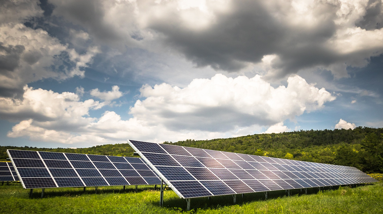
Normand Lord of STACE points out that, given the current cost of electricity in Quebec, the payback period for the purchase and installation of solar panels is approximately 12 years. Mike Perrault, president of Rématek-Énergie, adds that Hydro-Québec’s limit of 20 kW and 50 kW for single-phase and three-phase currents, respectively, under net metering —that is, feeding surplus privately generated energy into the Hydro-Québec grid in exchange for credits—is also a factor limiting the deployment of solar installations for commercial buildings.
In addition, Mr. Perrault proposes the implementation of a carbon tax of some sort that would encourage the energy transition by penalizing more polluting production resulting from the use of fossil fuels.
Increasing the share of renewable energy in Quebec’s energy production will require a shift in existing habits and models. Mr. Lord states that “if the market becomes more open, more people install residential solar panels, and Hydro-Québec becomes a reserve—a battery, so to speak—the state-owned utility should be able to price this service differently.”
Forecast: A Bright Future for Quebec's Solar Industry
Despite a few clouds on the horizon, solar energy has a bright future ahead in Quebec. The industry hopes that the suggestions mentioned above and the recommendations from the solar study conducted by Nergica will be taken into consideration by decision-makers. The interviews confirm that Quebec is a prime location for the PV sector, whether for engineering consulting firms or for companies that manufacture or install PV technologies.
For now, the barriers to deployment appear to be financial and legal, rather than technical or social. With the exception of Quebec’s harsh winters—which will require developing expertise in PV systems for cold climates—the technology exists and is ready for deployment. “So there’s no need to reinvent the wheel,” says Mike Perrault. “Just look at what’s been happening in Scotland for the past 20 years.” Interest in and social acceptance of solar energy are also strong in Quebec. And thanks to Quebec’s abundant sunshine, solar energy is on the verge of breaking into the energy market.
As Jean Roy de Kruger points out, Hydro-Québec’s current monopoly on energy production in Quebec is holding back the growth of PV technology, but many people might be interested in self-generation if the state-owned utility showed more flexibility and offered more favorable rate terms. It remains to be seen how the relationship between Hydro-Québec and prosumers—that is, people who both generate and consume energy—will evolve as energy production becomes increasingly decentralized.
Only time will tell what role solar energy will play in Quebec’s energy mix. What is certain, however, is that the sector is already thriving thanks to the expertise of our people and the dynamism of many local stakeholders who are demonstrating innovation and ambition.
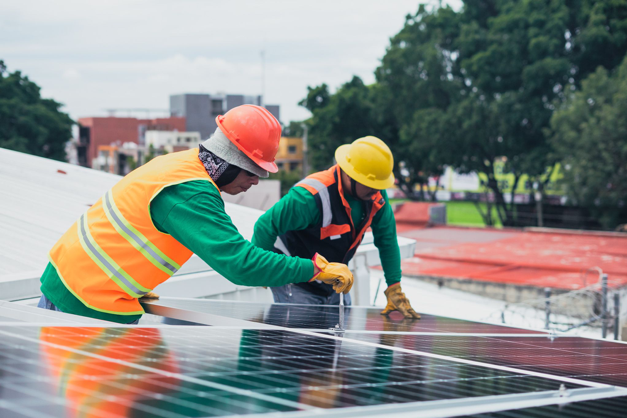
As Alexandre Pépin-Ross points out, “In any field, as the number of projects increases, costs decrease. We need to give solar technology the time and space to prove its value and relevance in Quebec’s energy mix.”
To learn more about these four Quebec companies that are helping to promote the solar industry, you can read the article A look at four companies in Quebec's solar industry. You can also check out the Nergica study, Photovoltaic Solar Energy in Quebec’s Energy Mix – Analysis and Outlook , which focuses on solar PV and its role in global, Canadian, and Quebec energy production.
Stay up to date on the latest industry news by subscribing to our newsletter today.

Privacy policy ©2026 Nergica | Réalisation DACTYLO