Optimizing Solar Photovoltaics in Cold Climates
Solar energy
Solar energy
In northern Canada, most communities generate their electricity using diesel. Solar photovoltaics offer a promising path to decarbonize this electricity generation and reduce dependence on fossil fuels. But there remains a wide gap between the promise and reality.
The harsh climate, heavy precipitation, and long winters put PV systems to the test. Snow on the ground, frost, and extreme temperatures—all of these factors influence power generation and are still poorly understood in northern conditions. Without reliable data on these effects, it is difficult to confidently integrate solar power into an off-grid system.
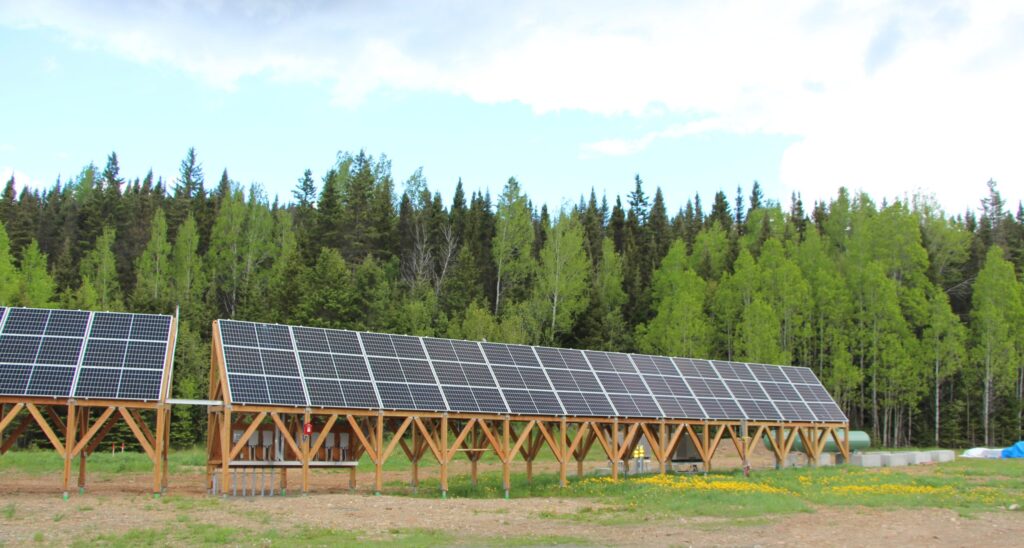
At Nergica, in partnership with CanmetÉNERGIE, we sought to fill this gap. From 2016 to 2019, we measured how PV power plants actually perform as winter sets in. The goal: to understand energy losses, identify the specific challenges facing diesel-powered microgrids, and identify concrete ways to optimize their performance.
To achieve this, we have designed a real-time monitoring platform that continuously tracks the performance of each system component. This tool transforms challenging conditions into actionable data that is useful to both network operators and technology providers.
Better integrating solar energy into these environments means maximizing the benefits of clean energy where it matters most. For remote communities, every liter of diesel saved represents a tangible economic and environmental benefit. These efforts bring the North closer to a more stable, cleaner energy supply that is less reliant on imported fuels.
Stay up to date on the latest industry news by subscribing to our newsletter today.

Privacy policy ©2026 Nergica | Réalisation DACTYLO
 View all projects