
Supporting the Development of Wind Power Projects in Nunavik
Renewable energy integration and storage
Renewable energy integration and storage
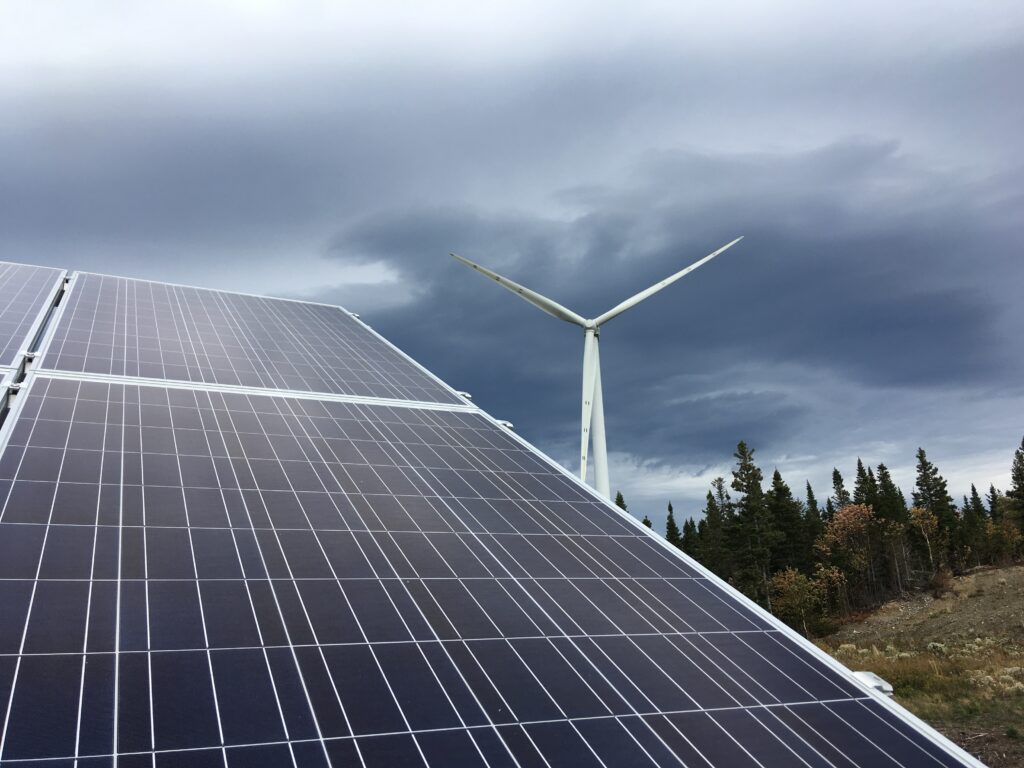
In Nunavik, most communities rely entirely on diesel for electricity and heating. The energy transition therefore takes on special significance there. In collaboration with Les Énergies Tarquti, the region’s only Inuit renewable energy developer, the communities of Quaqtaq and Puvirnituq are each developing a wind power project that will reduce their reliance on diesel, with operations scheduled to begin in 2027 et 2028.
It was against this backdrop that a delegation organized by Tarquti, accompanied by members of these two communities, came to Gaspé for the second edition of its Renewable Energy Exploration Tour. We had the honor of contributing to the program by organizing three days of activities.
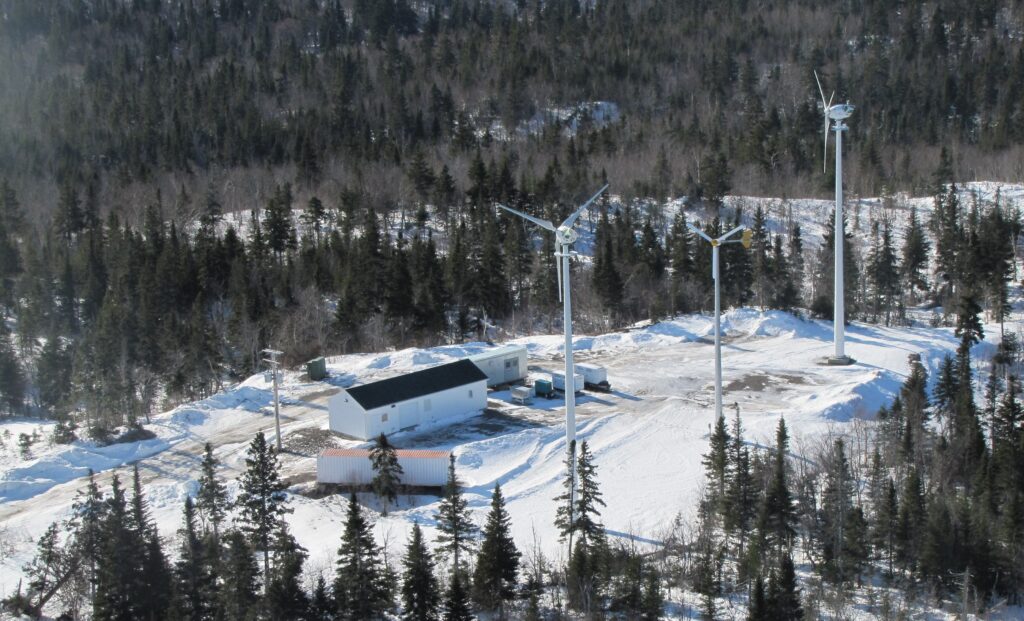
At our research site, several people saw wind turbines in operation for the first time. They spoke directly with our operations and maintenance team about the operation, maintenance, and safety standards of a wind farm. Experts from Quebec’s wind energy sector enriched the tour with insights ranging from operations in cold climates to environmental challenges.
At the Cégep de la Gaspésie et des Îles, hands-on workshops provided students with access to full-scale equipment, including a simulation of a rescue at height in a training basket.
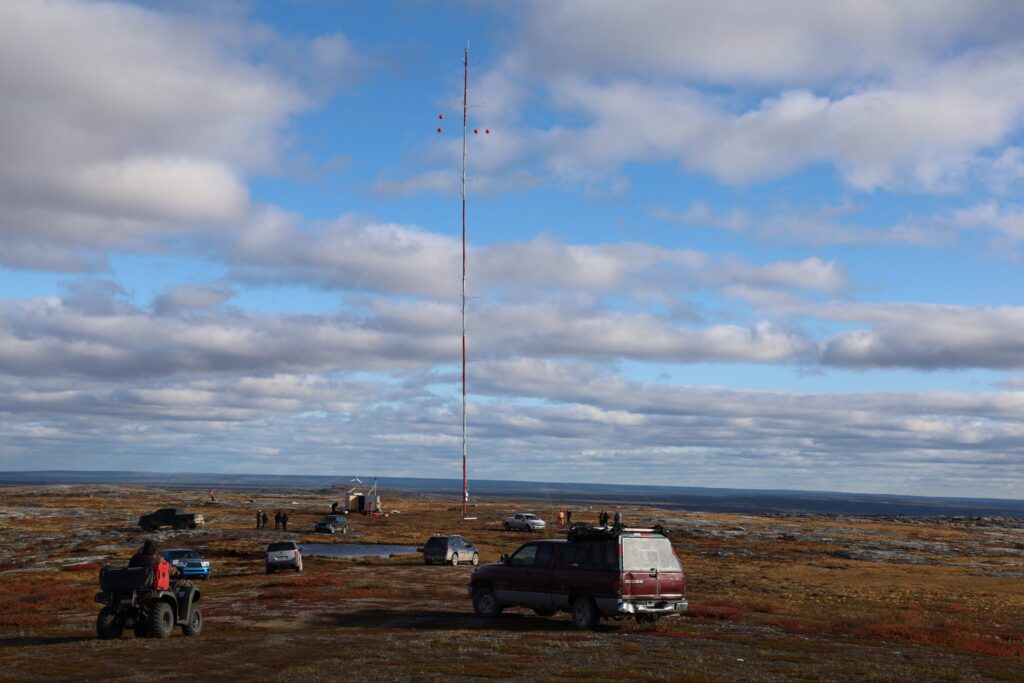
For several years now, we have been working with Tarquti to adapt renewable energy technologies to the Arctic context and analyze the meteorological data collected in local communities. By sharing our knowledge, we are contributing to a sustainable energy future driven by the communities themselves.
Project Team

Marilys stands out for her analytical sense, rigor and ability to mobilize teams around ambitious projects, qualities that make her a key professional in meeting the challenges of the energy transition. PMP and PMI-ACP certified, she possesses solid expertise in both traditional and agile project management, a major asset when it comes to piloting complex applied research initiatives in the renewable energies sector.
For over ten years, Marilys has been applying her knowledge of atmospheric physics to Quebec's energy transition. Her projects focus on two main areas: energy modeling and community support. She quickly made a name for herself with the creation of the GPEO model, to characterize the impact of icing on wind power production, and through her key role in a pan-Canadian collaboration to study the effects of climate change on wind power. More recently, she has initiated a major collaborative project to develop energy forecasting models in the context of autonomous networks, using artificial intelligence applied to time series to predict wind production in the very short term.
Her achievements testify to her commitment to innovation and the energy transition. She has led strategic projects to improve energy system reliability and support planning in isolated contexts. She is also involved in the popularization and transfer of knowledge to make renewable energy concepts accessible. Among her major contributions is a three-year research project on renewable energies applied to the Nunavik context, the results of which were presented at the first renewable energy symposium in Inukjuak.
At the same time, Marilys conducts training and awareness-raising initiatives with aboriginal communities, Crown corporations and RCMs, reinforcing its role as a leader in disseminating knowledge and mobilizing players in the energy transition.
With a solid background in atmospheric physics, complemented by her PMP and PMI-ACP certifications, she combines scientific expertise and project management skills to lead innovative and sustainable initiatives in the field of renewable energies.
Stay up to date on the latest industry news by subscribing to our newsletter today.

Privacy policy ©2026 Nergica | Réalisation DACTYLO
 View all projects