Improving the Reliability of Renewable Energy in Microgrids
Renewable energy integration and storage
Renewable energy integration and storage
Far from the major power grids, many isolated communities generate their own electricity using diesel. Integrating wind and solar power would reduce this dependence, but doing so puts the grid’s stability to the test: generators must maintain a constant frequency and voltage, renewable energy systems can disconnect at the wrong moment, and energy storage must be managed cost-effectively.
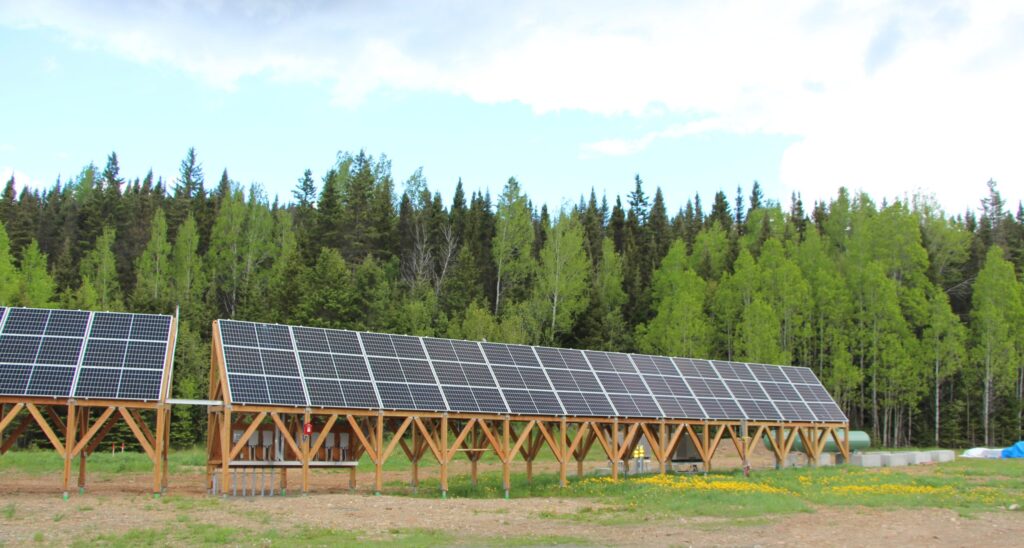
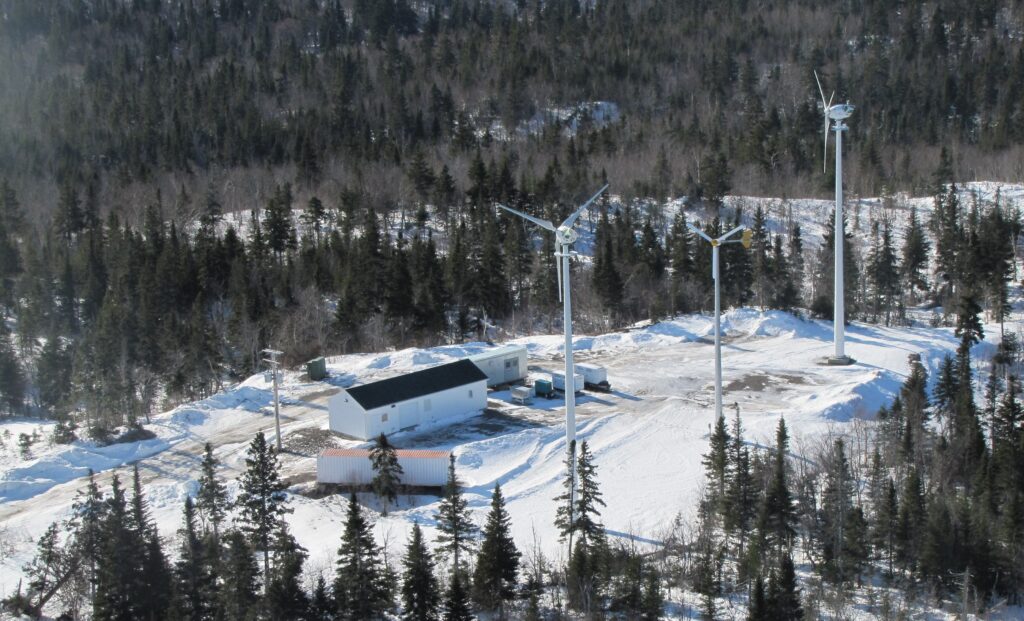
To address this challenge, we conducted a series of studies on our research microgrid—a real-world test bed that combines wind, solar, diesel generators, and energy storage—coupled with the OPAL-RT real-time simulation platform.
We first characterized the performance of the diesel generators, then improved their control: load sharing, frequency and voltage regulation, and load resumption. We then developed and validated a battery storage management algorithm based on weather forecasts, implemented using WPred. Finally, we tested the resilience of renewable energy installations in the event of outages, with the goal of increasing the share of renewable energy that a microgrid can accommodate without compromising reliability.
Conducted as part of the Opten research program, this work was subsequently presented at three conferences in Canada and abroad.
By sharing these findings, we are empowering those who operate independent power systems to integrate more renewable energy—reliably and cost-effectively—for the benefit of the communities they serve.
Project Team

A field engineer specializing in instrumentation and control, Antoine plays a key role in the supervision and maintenance of Nergica's research infrastructures. With solid experience in the installation and integration of scientific equipment, he contributes to a better understanding of complex meteorological, mechanical and electrical systems
Its expertise covers the evaluation of meteorological parameters, the detection of icing by remote sensing, the characterization of electrical systems applied to microgrids, and the management of IT equipment dedicated to data archiving.
Recognized for his versatility and practical know-how, Antoine embodies a remarkable field expertise that is indispensable to research projects
Stay up to date on the latest industry news by subscribing to our newsletter today.

Privacy policy ©2026 Nergica | Réalisation DACTYLO
 View all projects